The Myth of the “Neutral” Barrel

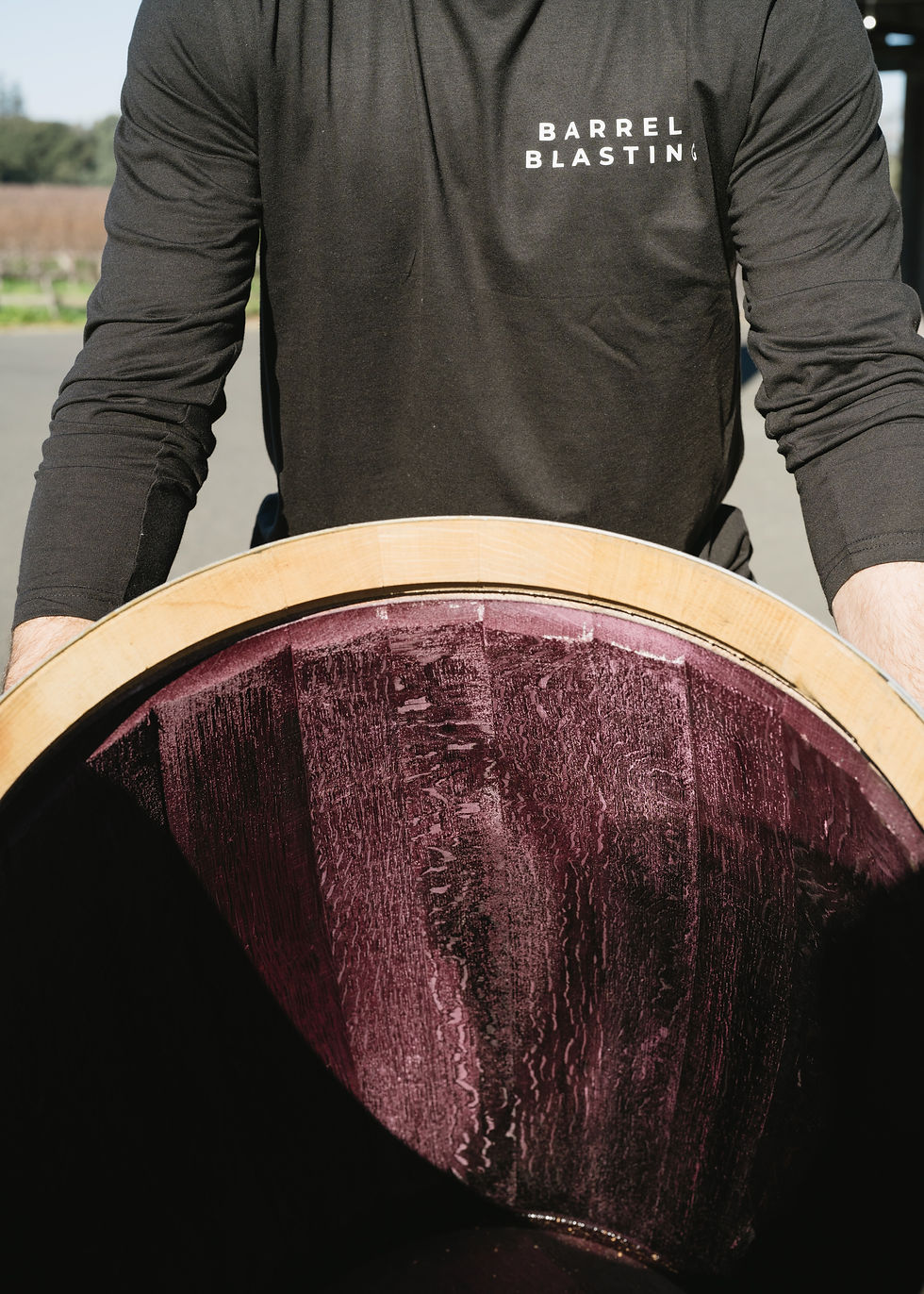
Neutral does not mean inactive
Most wineries use the phrase “neutral barrel” as a shorthand for restraint. It means the oak is no longer loud. It means the barrel will not dominate the wine. It means the wine can stay in wood without picking up too much flavor. In that sense, neutral barrels are a winemaker’s tool for balance.
But neutrality is not the same thing as irrelevance.
A barrel can be quiet in flavor contribution and still shape the wine in ways that matter.
Neutral barrels are where consistency is either protected or lost
In larger programs, neutral barrels carry more responsibility than they get credit for. They are used for volume, for continuity, and for the lots that need to stay true to a house style. They are often where a winery expects the fewest surprises.
That expectation is exactly why neutral barrels deserve attention. When a neutral barrel behaves unpredictably, the impact is rarely dramatic. It is operational. It shows up as lots that take longer to come together, lots that do not match as tightly as they should, and a growing need for blending decisions that feel more corrective than intentional.
“Neutral” is often treated like a fixed identity
A common misconception is that a barrel becomes neutral and then stays neutral, as if it has entered a stable phase of its life. In practice, barrels continue to evolve. Their interior surfaces continue to change. Their behavior continues to shift. The barrel is not a static object. It is a used tool that accumulates history.
Neutral is not a finish line. It is a moving target.
The real question is not oak impact. It is predictability.
When winemakers talk about neutral barrels, the conversation usually centers on flavor. But the higher value question is simpler. Can you predict what this barrel will do to the wine?
A barrel does not need to contribute much oak to influence outcomes. It only needs to behave differently than expected. In a program built on consistency, that difference is the beginning of drift. The wine may still be sound, but the timeline changes. The texture shifts. The integration curve becomes less reliable. Those are the changes that cost time, labor, and attention.
Neutral barrels shape the wines you least want to babysit
There is an irony in how neutral barrels are used. They are often assigned to wines that are supposed to be straightforward. Wines that should settle, integrate, and move forward without drama. Wines that need to stay on schedule.
That is why neutral barrel performance matters. If the barrel is inconsistent, the wine becomes less predictable. And when a winery is managing hundreds of lots and a packed production calendar, predictability is not a luxury.
It is the foundation of control.
Neutral barrels deserve standards, not assumptions
The healthiest barrel programs do not treat neutral barrels as the leftovers of the cellar. They treat them as a core asset that needs to be managed with the same discipline as any other production tool. That does not mean overcomplicating the program. It means being intentional about what “neutral” is supposed to deliver.
If a neutral barrel is meant to preserve fruit, support texture, and stay out of the way, then it has a job. And if it has a job, it needs a standard.
Neutral is not a category. It is a responsibility.
Neutral barrels are often described as if they are invisible. But the truth is that they influence the wines that define a winery’s baseline. They carry the lots that need to match. They support the wines that need to move on time. They shape the wines that do not have room for surprises.
Neutral does not mean inactive. It means the barrel’s role has changed. And that role still deserves attention.


Comments