The Barrel You Already Own Might Be Your Best Investment This Year

The cost of new barrels keeps climbing
For many wineries, cooperage has become one of the largest controllable expenses in the cellar. New French oak barrels regularly exceed $1,200 each. When a winery needs dozens or hundreds of barrels for the upcoming vintage, that number turns into a major capital decision very quickly.
In tighter market conditions, replacing large portions of a barrel program is not always practical. But reducing purchases does not mean reducing production capacity.
It simply means looking more carefully at the barrels you already own.
Many barrels are retired too early
A large percentage of barrels removed from active programs are still structurally sound. They do not leak. The staves are intact. The cooperage itself is still strong. What has changed is the interior surface of the barrel.
Over time, tartrates accumulate, residues embed into the grain, and a thin layer of wine-saturated wood develops. This layer restricts the barrel’s ability to interact with the wine. The barrel still holds wine safely, but its performance becomes less predictable.
That is often when wineries decide to replace it.
Renewal can be more economical than replacement
Replacing a barrel at $1,200 is not the only option. When the cooperage is still structurally sound, restoring the interior surface can return the barrel to reliable service for a fraction of the cost.
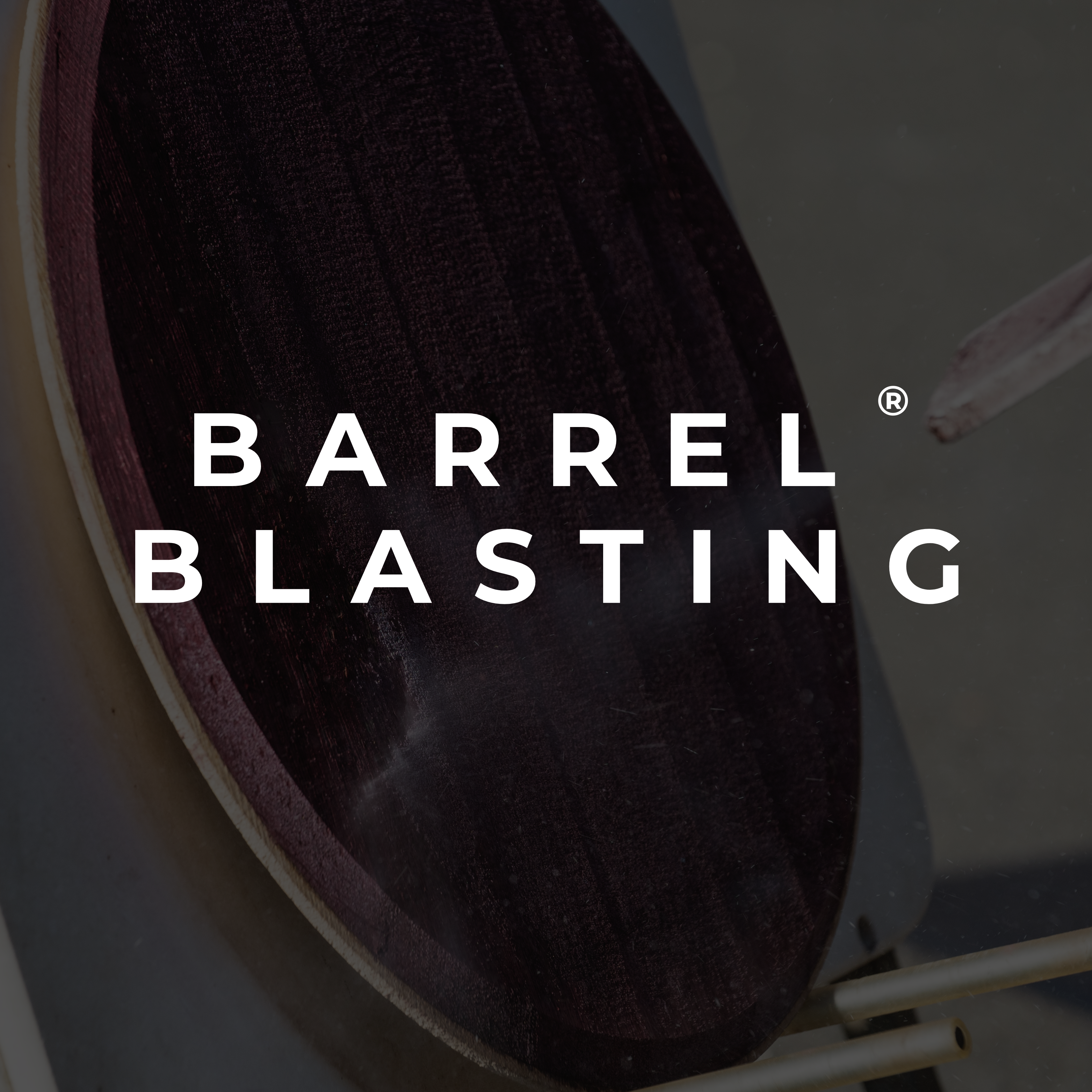
Barrel Blasting uses a precision-controlled dry ice process to remove heavy tartrates, embedded residue, and a micro-layer of saturated wood. This exposes fresh toasted oak beneath the surface and restores the working layer of the barrel.
At renewal costs starting around $140 per barrel, the financial difference is significant.
The math works quickly at scale
For wineries managing large barrel inventories, the savings add up quickly.
Replacing 100 barrels with new French oak could exceed $120,000. Renewing those same barrels could cost a small fraction of that amount. Even renewing a portion of the program can free up meaningful capital that can be invested elsewhere in the winery.
In years when budgets matter more than ever, those decisions make a real difference.
Renewal protects both quality and capital
Extending barrel life does not mean lowering quality standards. It means managing the barrels you already own more intelligently. When structurally sound barrels have their interior working layer restored, they can return to predictable use in the cellar.
That allows wineries to maintain production capacity while controlling one of their largest expenses.
A smarter way to approach barrel programs
The goal is not to save every barrel. The goal is to identify the barrels that still have value and restore them so they can perform again.
When wineries evaluate their barrel inventory with that mindset, they often discover that many barrels thought to be “finished” still have years of useful life ahead of them.
This year, the opportunity may already be in your cellar
With new barrel prices continuing to climb, the smartest investment may not be buying more barrels. It may be renewing the ones you already own.
For wineries reviewing their barrel programs ahead of the next vintage, extending barrel life can be one of the most effective ways to reduce costs without compromising the wine.


Comments